

All You Need to Know About Fat Reduction
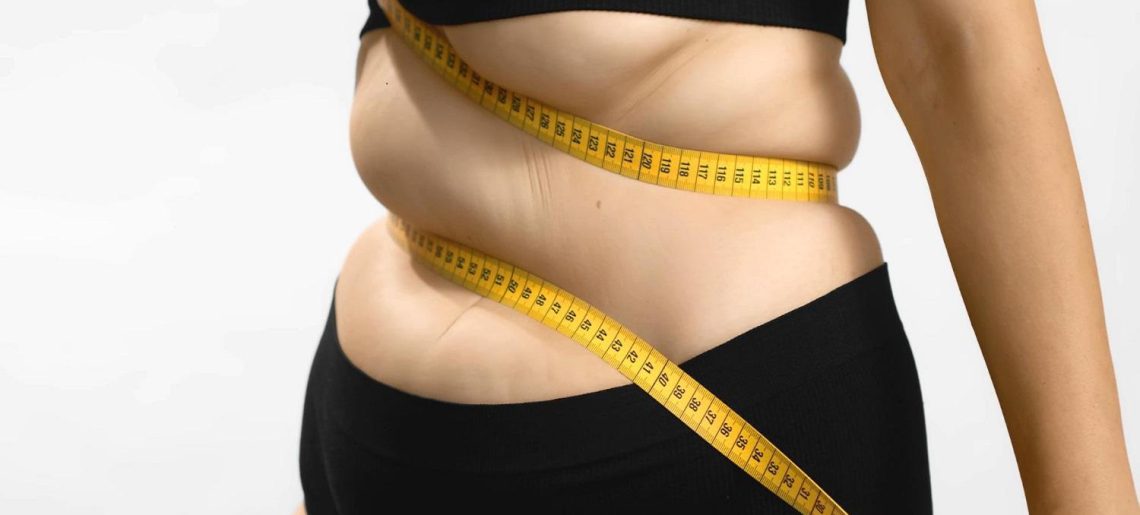
Reducing body fat is a goal for many people, whether for health, fitness, or aesthetic reasons. Effective fat reduction goes beyond calorie counting; it involves understanding how the body stores and burns fat, the different methods available, and what realistically delivers lasting results.
Understanding Fat Storage and Metabolism
The human body stores fat in two primary ways: subcutaneous fat, which lies just under the skin, and visceral fat, which surrounds organs. Fat reduction strategies often target subcutaneous fat for cosmetic purposes, but reducing visceral fat is crucial for overall health. Metabolism, hormones, and genetics all influence how and where your body loses fat, which is why results vary between individuals.
Dietary Approaches to Fat Reduction
Calorie management remains the cornerstone of fat reduction. A balanced diet focusing on whole foods, lean proteins, healthy fats, and complex carbohydrates supports fat loss. Meal timing, portion control, and reducing processed sugars also play key roles. Sustainable changes are more effective than extreme diets, which often lead to short-term results and rebound weight gain.
Exercise Strategies for Targeted Fat Loss
While spot reduction is largely a myth, combining strength training with cardiovascular exercise maximises overall fat loss. Resistance training builds lean muscle mass, which increases metabolic rate, while aerobic activity burns calories and improves heart health. High-intensity interval training (HIIT) has also gained popularity for its efficiency in promoting fat reduction in shorter workouts.
Medical and Technological Fat Reduction Options
Non-invasive treatments like cryolipolysis (fat freezing), laser therapy, ultrasound, and radiofrequency can help target stubborn areas resistant to diet and exercise. Surgical options, such as liposuction, remove fat directly but require longer recovery. These approaches should always be guided by qualified professionals to ensure safety and effectiveness.
Lifestyle Factors That Influence Fat Reduction
Sleep, stress management, and hydration significantly impact fat reduction. Poor sleep can disrupt hormones that regulate hunger, while chronic stress may increase fat storage. Staying hydrated supports metabolism and overall health, making lifestyle management a crucial part of any body contouring strategy.
Setting Realistic Goals
Effective fat reduction is gradual. Rapid weight loss often results in muscle loss or rebound fat gain. Setting achievable goals, tracking progress, and combining diet, exercise, and professional support leads to sustainable, healthy results.
Understanding fat reduction requires a holistic approach that combines diet, exercise, lifestyle habits, and, when appropriate, medical interventions. Sustainable results come from consistent effort, professional guidance, and realistic expectations, helping individuals achieve both improved health and enhanced confidence.